A durable outdoor patio depends on more than the visible paving material. Site conditions, drainage, ground preparation, edge support, and maintenance all influence how the finished surface performs. Homeowners can make better decisions by reviewing these elements together.
Begin with Site Conditions
Observe slopes, low areas, downspouts, trees, foundations, and existing hardscape. Note where water collects after rain and how it travels through the yard. These observations help frame a conversation about grading and drainage, although the appropriate solution depends on a professional site assessment.
Access also matters. Materials and equipment need a route to the work area, and narrow gates or existing features may affect delivery. Ask how the property will be protected during construction.
Understand Ground Preparation
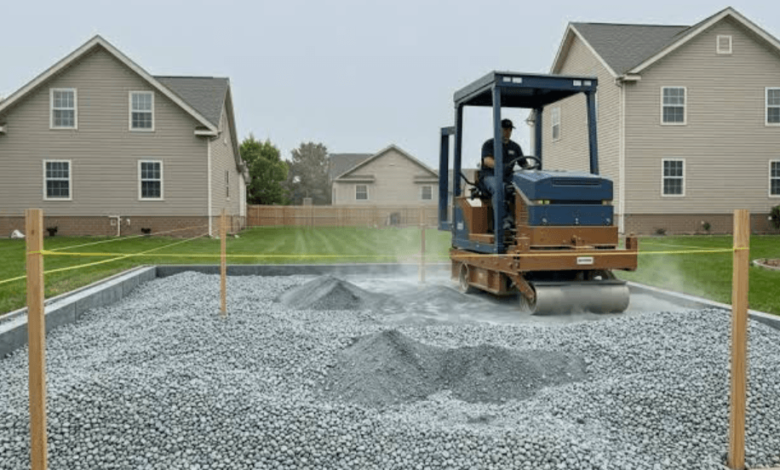
The base beneath a patio supports the visible surface. Ask what material will be used, how it will be placed and compacted, and how the installer will account for the site’s soil and weather conditions. Edge restraints and transitions should also be discussed.


The patio must meet the home, steps, lawn, and planting beds in a practical way. Changes in elevation should be clear, and drainage should not direct water toward the foundation or create persistent puddles.
Compare Patio Materials
Pavers, natural stone, concrete, and other surfaces differ in texture, color, maintenance, and installation method. View samples outside and compare them with the home’s exterior. Consider how the material will look beside planting, fencing, and existing paths.
When reviewing planning a durable outdoor patio, ask how material selection, base preparation, drainage, joints, edges, and maintenance fit together for the specific site.
Plan Water Movement
A patio layout should work with the property’s drainage patterns. Discuss the intended direction of runoff and how downspouts, drains, channels, or grading may be coordinated. Planting beds and soil should be positioned so they do not wash onto the surface.
Consider Maintenance
Ask what routine cleaning is recommended and how joints or surface treatments may need attention. Nearby trees and gardens can contribute leaves, seeds, soil, and mulch, so planting and edging should be planned with cleanup in mind. A maintenance routine should match the amount of time the homeowner wants to spend caring for the space.
Review the Complete Design
Before work begins, confirm dimensions, material choices, access, drainage, transitions, and the construction sequence. A written plan helps identify decisions that could affect later stages.
A patio is most dependable when its appearance and construction are considered together. By understanding site conditions, ground preparation, water movement, materials, and maintenance, homeowners can create an outdoor surface that fits the property and supports everyday use.
It is also helpful to inspect the proposed layout from the house and main walking routes. Furniture, shade, lighting, and planting can then be placed without blocking circulation or maintenance access.
Good preparation does not eliminate every site variable, but it gives homeowners a clearer basis for decisions and conversations with the installation team.
Ask how the surface will meet existing steps, thresholds, lawns, and garden beds. These connections affect both appearance and practical water management, especially where the yard changes elevation.
Material samples should be reviewed at the actual property because light, nearby walls, and plant colors can change how a surface appears. A written maintenance discussion is useful before the final choice is made.
Plan Edges and Joints
Edges help define the patio and connect it with adjacent areas. Ask how the perimeter will be supported and how the chosen surface will transition to steps, grass, or planting. Joint materials and spacing may vary with the surface type, so homeowners should understand how those details will be maintained.
Where a patio meets an existing walkway or wall, check that the connection will be comfortable to walk across and visually consistent. These junctions are small parts of the plan, but they can affect how finished the whole space feels.
Discuss the Work Sequence
Find out when excavation, base preparation, drainage work, surface installation, and cleanup are expected to occur. Ask which decisions need to be made before materials arrive and how later landscaping work could affect the finished surface. Planning the sequence can help avoid placing delicate features in the path of equipment or material movement.
Homeowners should also clarify what areas need to stay accessible during construction. A thoughtful work plan considers both the build itself and the practical routines of people living at the property.