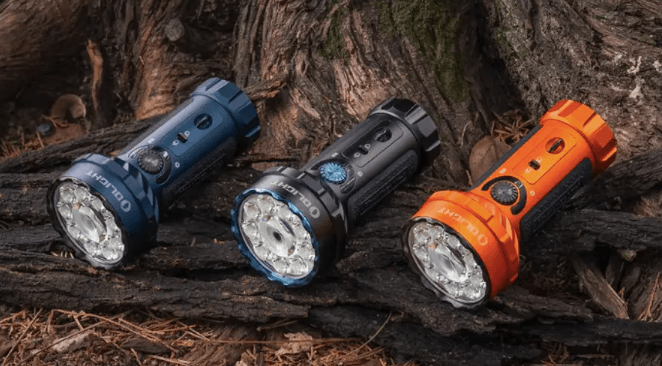
A flashlight used to be a simple household item kept in a drawer for power outages. Today, many models look and perform more like compact tools built for hard use. After reviewing flashlight performance standards, ingress protection guidance, and LED efficiency research, this article explains why tough design features are now common in everyday lights.
This shift did not happen by accident. People now expect portable lighting to work in storms, on road trips, during repairs, while camping, during security checks, and on jobsites. A weak plastic light with a dim bulb may still serve a small purpose, but it no longer meets the way many people live, work, and travel.
Modern lighting has borrowed heavily from rugged design thinking. Features once linked with tactical or military-grade gear, such as stronger housings, sealed bodies, longer runtimes, and brighter beams, are now found in consumer products built for daily use.
Tougher Materials Changed What Buyers Expect
Durability is one of the biggest ways advanced flashlight design has reached the consumer market. Older household models often cracked when dropped, lost power when bumped, or failed after getting wet. Current designs are much more focused on real-world abuse.

Many flashlights now use stronger body materials, textured grips, sealed switches, and impact-minded construction. These details matter when a light is used outside, stored in a vehicle, packed in a toolbox, or carried during travel. A flashlight may be dropped on concrete, exposed to rain, or left in a cold garage for months. Better construction helps it keep working when needed.
The ANSI/NEMA FL 1 flashlight performance standard helped make these traits easier to compare. It covers key flashlight measurements, including light output, runtime, beam distance, peak beam intensity, impact resistance, and water resistance. This gave brands and buyers a clearer way to talk about performance, rather than relying only on vague phrases like “heavy duty” or “super bright.”
For consumers, this means the shopping process is more practical. A homeowner can compare brightness. A camper can look at the runtime. A mechanic can check impact resistance. A traveler can look for water resistance. These details were once more common in professional or tactical settings, but they are now part of normal buying decisions.
Weather Resistance Became an Everyday Feature
Weather resistance is another area where rugged design has become mainstream. A flashlight is often needed in poor conditions. Storms, outages, roadside emergencies, plumbing issues, and outdoor chores rarely happen in perfect weather.
That is why sealed construction and water resistance have become so useful. IP ratings measure how well an enclosure protects against solids and liquids. The first number relates to protection against solid objects and dust, while the second relates to protection against liquids. This system gives shoppers a clearer idea of how a device may handle exposure.
For everyday users, this rating system can be helpful. A light used only inside a kitchen drawer may not need the same protection as one kept in a hiking pack or emergency kit. A flashlight used around boats, barns, campsites, or job trucks should be better prepared for moisture and dirt.
Weather resistance also adds peace of mind. During a power outage, a storm cleanup, or a nighttime tire change, people do not want to worry that a few minutes of rain will ruin their light. Rugged design standards have raised expectations, and consumer products have followed.
This change has also made flashlights more useful for families. One light can serve many roles. It can help with walking the dog, checking the breaker box, lighting a tent, inspecting the attic, or finding a dropped item under a car seat. When the same tool can handle different settings, it becomes more valuable.
LED Technology Improved Runtime and Beam Quality
The move to LED lighting changed flashlights in a major way. LEDs are more efficient than older lighting technologies, enabling modern flashlights to produce brighter beams while using power more wisely. The U.S. Department of Energy says LED lighting is highly energy-efficient and that quality LED products last longer and deliver better light quality than other lighting options.
Longer runtime is one of the biggest benefits for consumers. A flashlight that drains batteries quickly is frustrating during emergencies or outdoor use. Better efficiency means users can get more useful light from compact designs.
Beam quality has improved, too. Modern lights are not only brighter; many are better at shaping light. Some beams are wide and useful for close work. Others are more focused on distance. This gives buyers more control over how they use the light.
For example, a wide beam can help when packing a car at night or working under a sink. A tighter beam can help when checking a backyard, driveway, trail, or campsite. Adjustable modes also help users save power when full brightness is not needed.
These upgrades reflect a larger trend. Flashlights are no longer treated as single-use emergency tools. They are now practical gear for daily life. People keep them in glove boxes, kitchen drawers, tool bags, backpacks, garages, and bedside tables. Stronger beams and better runtimes make that habit more useful.
See also: Prefab Homes: Modern, Affordable, and Energy-Efficient Living Solutions
Practical Gear Built for Real Life
Military-grade design ideas have made consumer flashlights stronger, more reliable, and easier to compare. The best modern options do not need to feel extreme or specialized. They simply need to work well when the lights go out, the weather turns, or the task calls for steady illumination.
For homeowners, travelers, outdoor enthusiasts, and workers, this design shift is good news. Tougher housings, sealed bodies, longer runtimes, and better beams make portable lighting more dependable. A flashlight may seem like a small tool, but when it performs under pressure, it can make a difficult moment safer and easier to manage.